Nedzīvot saules mūžu / Not to outlive the Sun
video, 5:10 min
2026
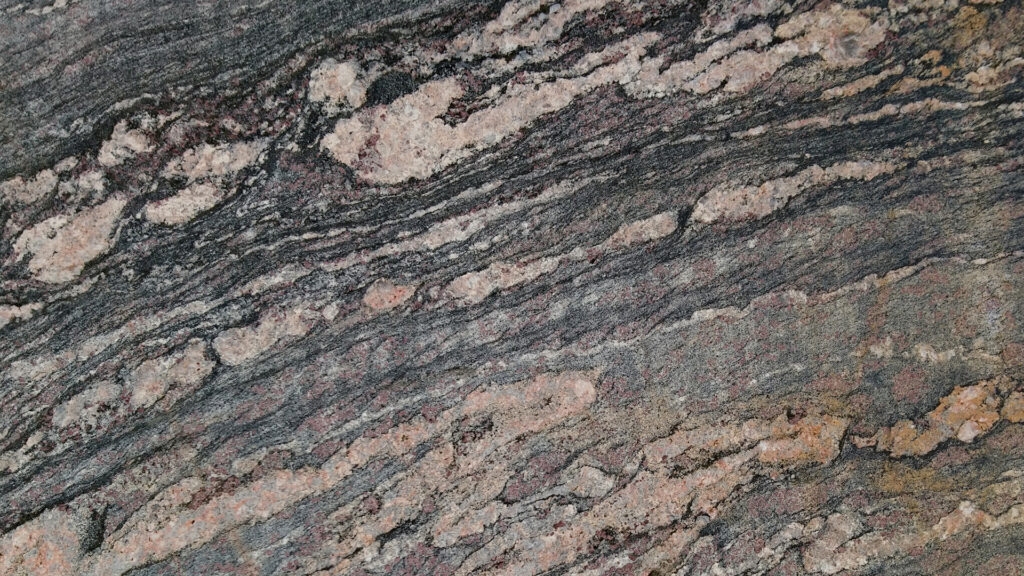
Mārtiņš Ratniks, Not to outlive the Sun, video still, 2026.
| Brīdi laiku man dzīvot, Nedzīvot saules mūžu. Ūdeņam, akmeņam, Tam dzīvot saules mūžu.* | To live for a brief moment, Not to outlive the Sun. Water, stone, They shall outlive the Sun. |
Mans vecvectēvs 20. gadsimta sākumā apmetās vienā no Nēķena muižas saimniecības ēkām Vidzemē. Šī ēka ir būvēta pirms apmēram 150 gadiem, taču, iespējams, kāda tās mūra daļa ir vēl senāka. Šķeltie laukakmeņi, no kuriem veidots mūris, ir ledāju atnesti no Skandināvijas pēdējā ledus laikmetā pirms vairākiem desmitiem tūkstošu gadu. Šie akmeņi ir aptuveni 1,5–2 miljardus gadu seni. Milzīgā spiedienā un karstumā tie kusa, jaucās un veidojās, līdz atdzisa. Iespējams, jau pēc miljards gadiem uz akmeņiem sāka augt ķērpjiem līdzīgi organismi. To pēcteči ir pārdzīvojuši vairākas klimata pārmaiņu izraisītas masu izmiršanas, kurās izzuda lielākā daļa tobrīd biosfērā mītošo dzīvo organismu sugu. Saule apspīd Zemi jau vairāk nekā 4,5 miljardus gadu, un tās mūža pašreizējais cikls turpināsies vēl aptuveni 5 miljardus gadu. Šajā laikā tā pakāpeniski kļūs arvien spožāka, karstāka un lielāka. Zemes okeāni uzkarsīs, līdz sāks vārīties, viss ūdens iztvaikos un akmeņi atkal sāks kust. Zemes biosfēras mūžs noslēgsies.
At the beginning of the 20th century, my great-grandfather settled in one of the farm buildings belonging to Nēķena Manor in Vidzeme. This building was constructed about 150 years ago, but some parts of its masonry may be even older. The split fieldstones from which the walls are built were carried here by glaciers from Scandinavia during the last Ice Age, tens of thousands of years ago. These stones are approximately 1.5–2 billion years old. Under immense pressure and heat, they melted, mixed, and transformed, before eventually cooling. Perhaps as early as a billion years ago, lichen-like organisms began to grow on these rocks. Their descendants survived several climate-driven mass extinctions, in which most of the species inhabiting the biosphere at the time disappeared. The Sun has been shining on Earth for more than 4.5 billion years, and its current phase of existence will continue for roughly another 5 billion years. During that time, it will gradually become brighter, hotter, and larger. Earth’s oceans will heat up until they begin to boil, all the water will evaporate, and the rocks will once again begin to melt. The life of Earth’s biosphere will come to an end.
* LD 27677 av. 181b / LD 27677 av. 181b (Archives of Latvian Folk Songs)